

Bentsifi’s Tattle…Guy about town

From Events to Infrastructure: TGMA venue crisis exposes MICE fragility
The paradox of Africa’s MICE (Meetings, Incentives, Conferences and Exhibitions/Events) sector is a story of limitless potential hamstrung by structural fragility. While policy papers and tourism boards across the continent paint a picture of Africa as the next global hub for business tourism, the “Ground Zero” reality has cities like Accra tell a more cautionary tale that sends systemic signals about the rhetoric.
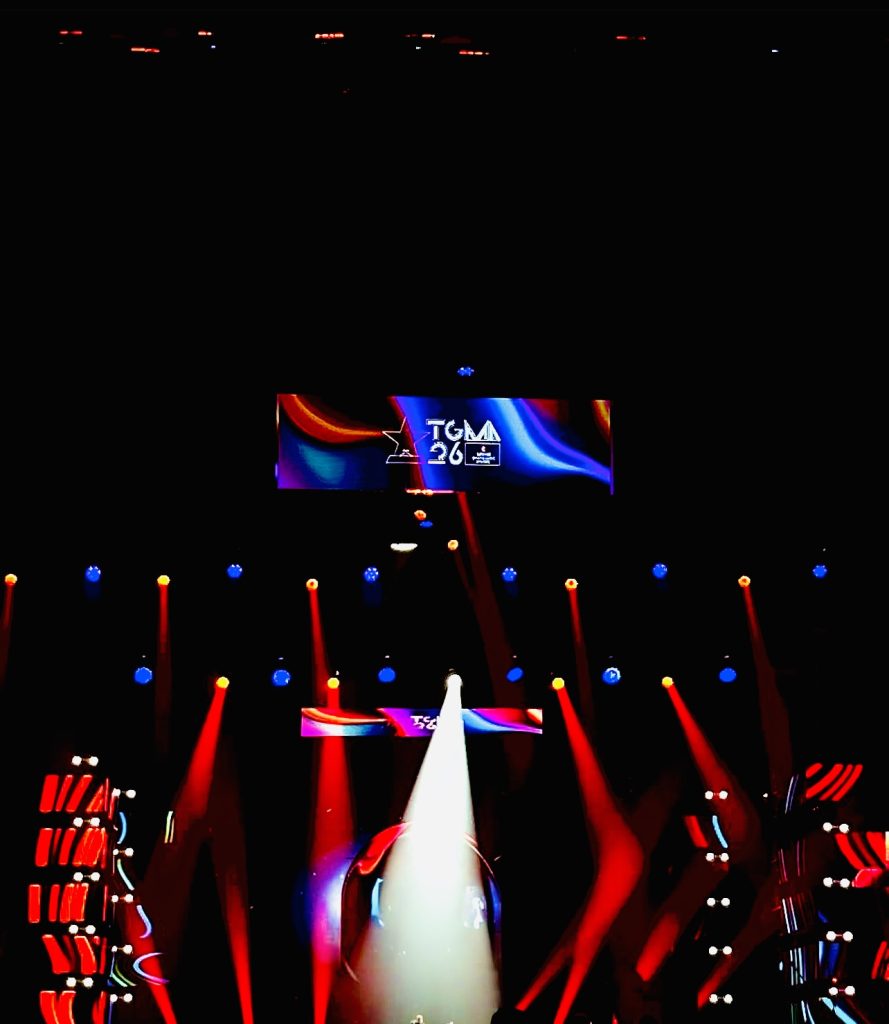
With less than a month to go, Charterhouse has yet to secure a venue for this year’s Telecel Ghana Music Awards (TGMA) after losing access to the regular ‘Grand Arena’ venue. According to the event’s PR Robert Klah, the landowners have asked for the space to be vacated, forcing the organisers to urgently search for an alternative location.
When a flagship national asset like the TGMA, an event with massive cultural equity, corporate sponsorship and international viewership, finds itself “homeless” weeks before production, the narrative of readiness crumbles. It reveals that the infrastructure is not just scarce; it is unreliable.
The African Continental Free Trade Area (AfCFTA) and various “Year of Return” style initiatives suggest a continent ready to host the world. Indeed, the ‘Black Star Experience’ ambitions involve competing with MICE-ready destinations like Rwanda or Morocco for high-value global summits.
Across many African capitals, a single “tier-one” venue often carries the weight of the entire premium events ecosystem. This overreliance creates a dangerous bottleneck. It’s an infrastructure monopoly trap that Ghana, given its progress, should be outgrowing. The reality is a widening capacity gap. The moment that one venue is unavailable, due to maintenance, scheduling clashes or technical issues, the entire event’s ecosystem stalls, triggering a ripple effect that can paralyse the industry.
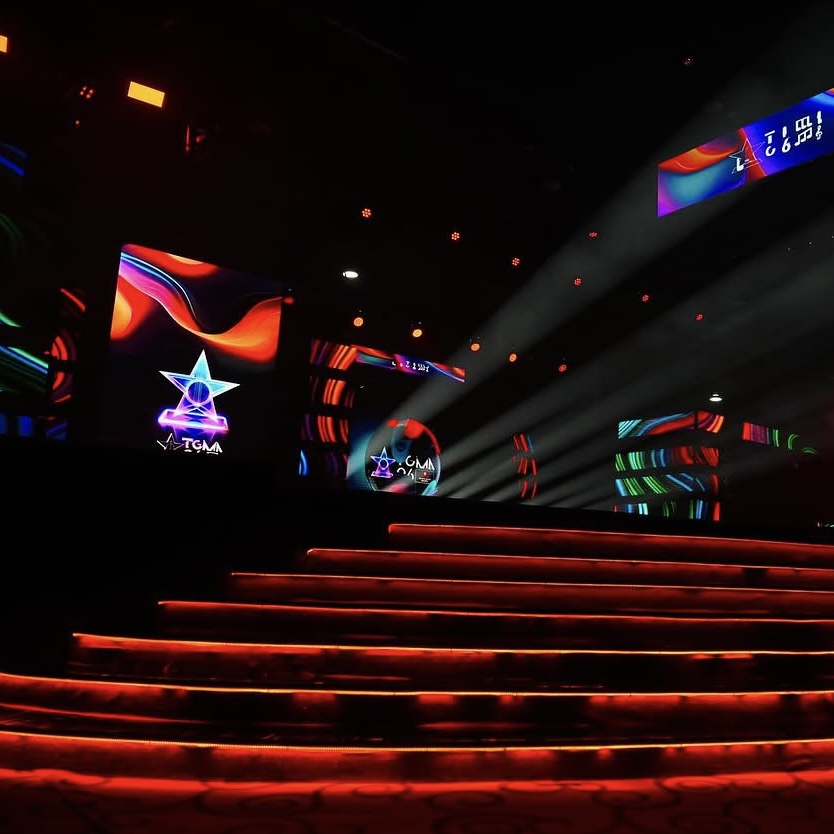
As uncertainty surrounds the Grand Arena at the Accra International Conference Centre, Ghana is being forced to confront a critical shift. From simply hosting events to building resilient, investable platforms.
In recent years, the country has steadily developed its MICE capabilities, but this industry depends on a “plug-and-play” reliability. The uncertainty of securing a venue for major events signals risk to the global market. When they have to choose, an international medical association or tech summits will simply choose more dependable destinations.
PaJohn BENTSIFI DADSON, sees this moment not just as a setback, but as a revealing inflection point, and reports that Ghana has mastered the art of gathering people, but has yet to fully grasp the science of building and sustaining the platforms that make those gatherings reliably possible.
With aspirations to compete on the global MICE stage, this scramble to replace the Grand Arena highlights a core gap, that without stable, world-class infrastructure, that ambition remains vulnerable and exposed.
The bottom line is stark. You cannot build a “World Class” reputation on “Third Class” reliability. If Ghana, and by extension Africa, wants the MICE billions, it must move beyond hosting events in spite of its infrastructure and start hosting them because of it.
Operational instability at this level sends the wrong signal to serious investors. Moments like the TGMA venue crisis don’t just disrupt an event, they reshape perception. To an institutional investor, it reads as a red flag in the risk–reward equation, raising doubts about reliability, continuity and the overall investability of the market.
Ghana, and indeed much of Africa, having in recent years positioned itself as an emerging force in the global MICE or business events economy, leaves much to be expected. The language has been ambitious. The intent, clear. The opportunity is undeniable. But, this demands a more grounded assessment.
Juxtaposing this bold ambition for MICE growth against a simple, uncomfortable reality of the recent uncertainty surrounding the venue for one of the country’s flagship cultural events goes beyond event logistics; and exposes a structural reality of an ecosystem still heavily reliant on a limited number of large-scale, event-ready venues.
This is not about Charterhouse, or any other event organiser, having to find another venue. It’s a much bigger question: can a market credibly position itself as a serious MICE destination if even its flagship events lack venue certainty?
At that level, it stops being an operational issue and becomes a market signal. Venue insecurity undermines confidence, weakens destination credibility and raises doubts for global organisers who prioritise reliability above all else. Without guaranteed infrastructure, the proposition isn’t competitive; it’s speculative.
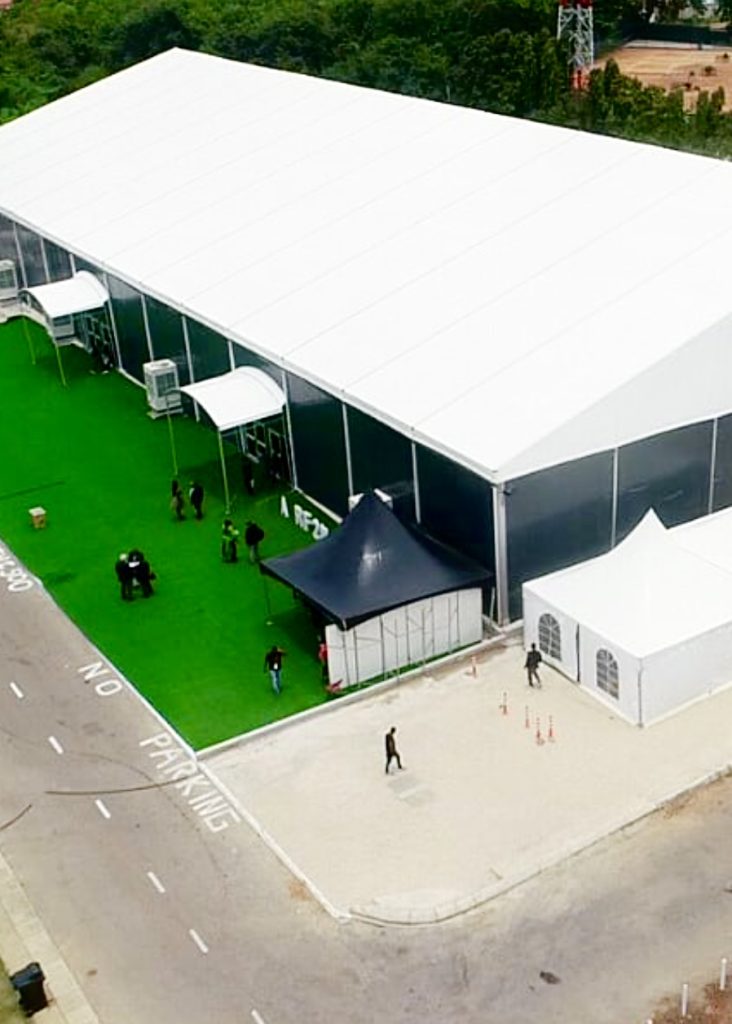
For years, the 7000-capacity Grand Arena has served as a central node in Ghana’s events landscape, hosting many international conferences, concerts, exhibitions and award ceremonies. Its unavailability, regardless of cause, reveals a deeper vulnerability. When a single venue becomes indispensable, its absence becomes disruptive.
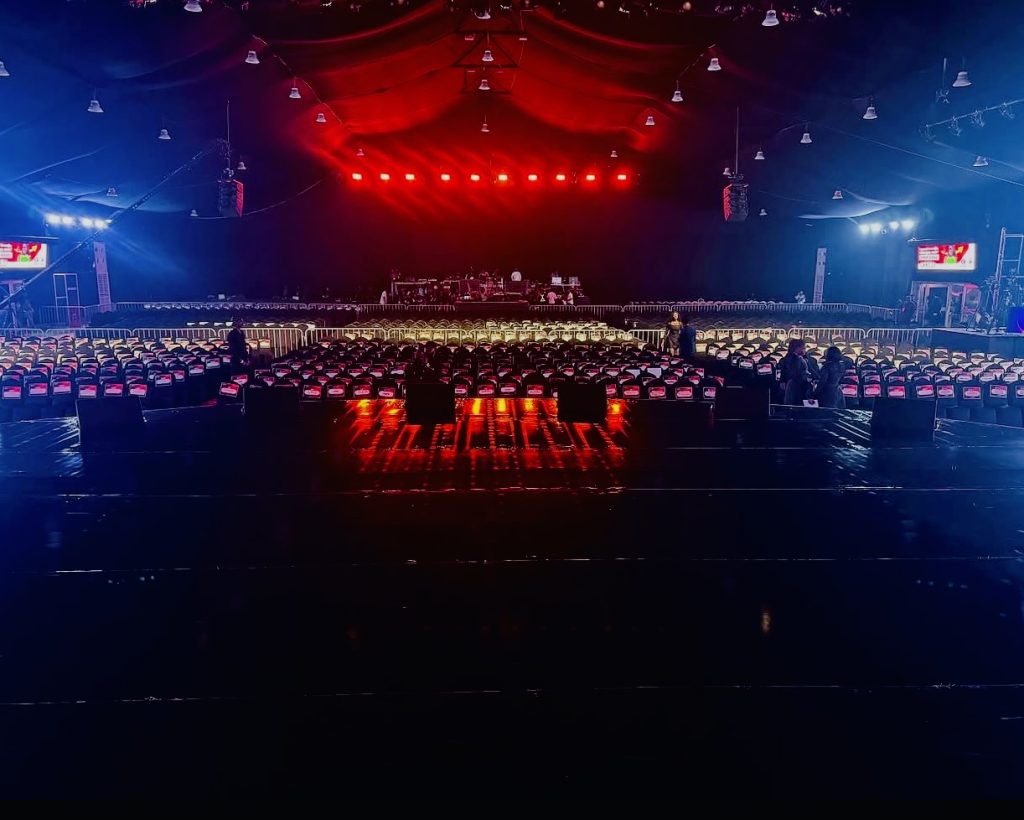
In more mature MICE destinations, this risk is mitigated by design. Cities are supported by layered venue ecosystems, with multiple spaces across varying capacities and configurations, which ensures continuity regardless of individual venue constraints. Redundancy is not excess; it is strategy. In mature MICE markets, Plan B is built into the system. Here, Plan A is the system. In Ghana, the concentration risk is evident. The system is efficient, until it is tested.
The nuanced tension at play in this situation also makes it harder to appreciate – the intersection of land ownership, infrastructure permanence and long-term planning. In this scenario, whereas the infrastructure belongs to the organiser of the event, the land is owned by government, whose renewal scheduling conflicts with the timing of the 26-year old annual event.
World-class event venues cannot thrive within frameworks of uncertainty. For investors, organisers and international partners, predictability is not optional; it is foundational.
This is not to discount ongoing efforts. The planned renovation of the Accra International Conference Centre signals intent at the highest levels. Government must be commended for it. However, intent must translate into continuity. Without it, even well-meaning interventions risk creating short-term disruptions within an already delicate ecosystem.
The challenge, therefore, is not about replacing one venue or rescuing one event cycle. It is about a strategic shift in thinking.
If Ghana is to establish itself as a credible MICE destination, the focus must move beyond hosting events to engineering resilient event infrastructure. This means purpose-built venues with secure tenure, a distributed network of mid-to-large scale spaces, and stronger alignment between public ambition and private execution.
Because ultimately, the credibility of a MICE destination is not defined by the events it aspires to host, but by the consistency with which it can host them.
Until venues become infrastructure, not incidents, Ghana’s MICE story will remain promising, but not yet investable.
While the push to become a leading MICE destination is gaining momentum, this situation of venue uncertainties reveals structural gaps that must be addressed to sustain growth.
We have the ambition and the vision, but this scenario is quite a reality check, and exposes a deeper question: can a destination be taken seriously without reliable event infrastructure?
Fin
Search
Archives