

Bentsifi’s Tattle…Guy About Town
The republic of hospitality
…Why the business of making people feel good may be one of Ghana’s most underestimated economic assets.
What if, really, Ghana’s greatest tourism asset is not a landmark, a hotel or an annual visitor count; but its ability to make people feel welcome.
Hospitality, more than a social virtue, is an economic engine. When people feel valued, they stay longer in a place, spend more, return sooner and encourage others to come. That invisible advantage creates visible gains — supporting jobs, strengthening local businesses, attracting investment and turning tourism into a broader driver of national growth.
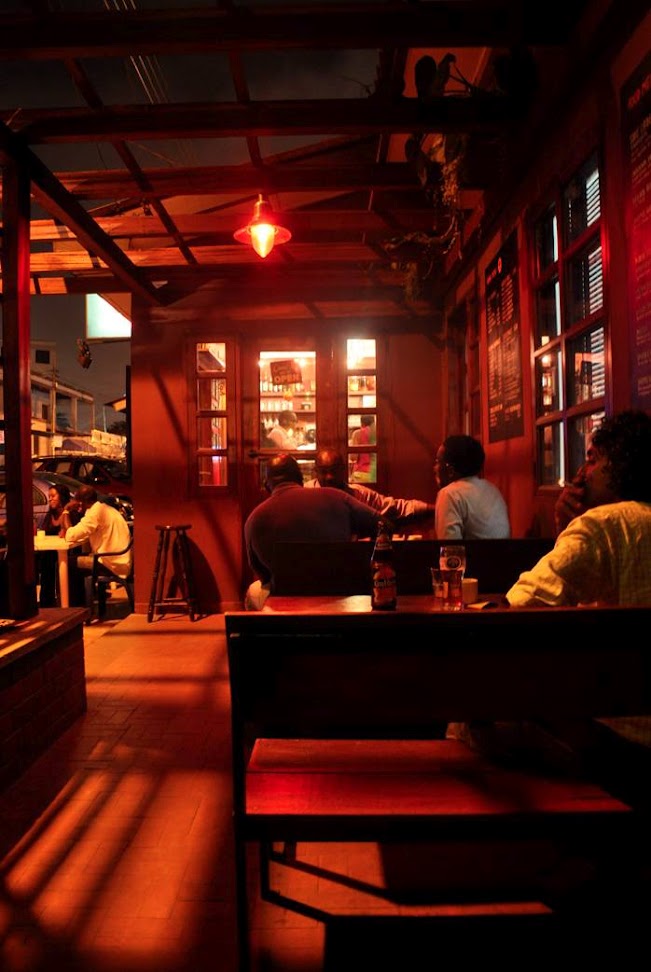
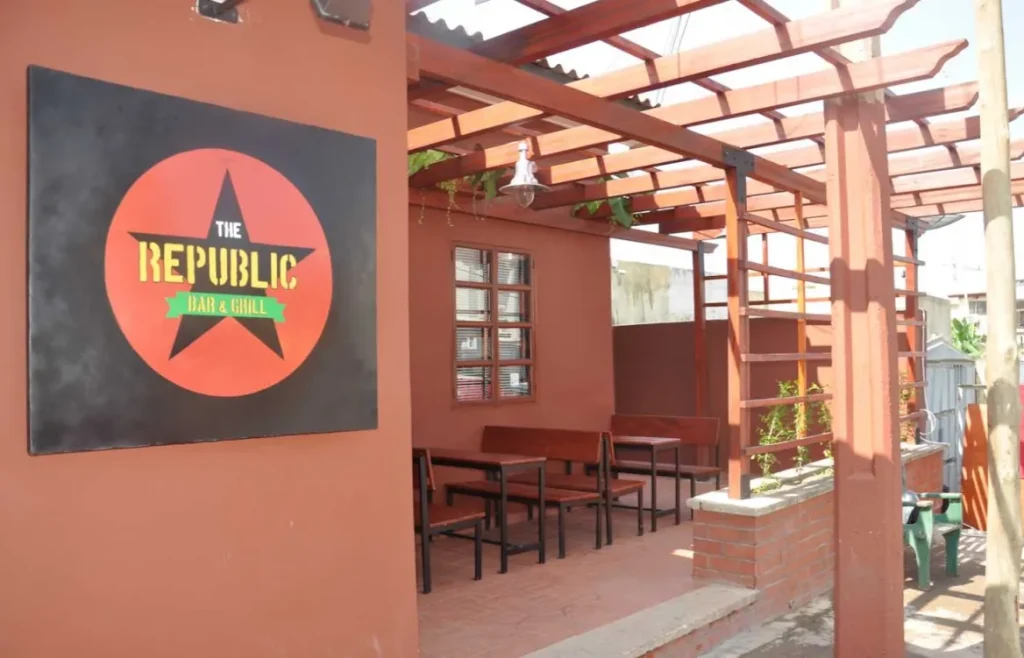
Like The Republic Bar & Grill.
There’s nothing average about The Republic Bar & Grill. It compares, anywhere in the world! Granted, it is a human institution, and human institutions are rarely perfect. Whatever your experience after encountering The Republic, it can probably be improved. But there is something about the place that has always understood a simple truth: ‘people do not only go out to consume things. They go out to feel something.’
On his birthday recently, PaJohn found himself wanting a little of that old Republic energy at home. Not necessarily the standing around, the awkward straining conversations with strangers or the inevitable complaint from his back after being too long on his feet. He wanted the music, though not quite so loud. The cocktails. The karaoke mischief, where everyone says to the person with the microphone: “Chale, hold on tight to your day job!” Most of all, he wanted the feeling – that moment when one jumps up from their chair and simply jigs to a beat.
So he called his friends at The Republic. Raja’s response was wonderfully uncomplicated: “Why not? We can do that!” And just like that, they agreed to bring the drinks and the music.
The Republic arrived at the rooftop salon with three of its iconic cocktails, Republic DJs on rotation and its Bartender Tribe behind the bar. There was passion fruit and sobolo Kokroko – their iconic akpeteshie-palm spirit-based signature sloshes, food, stories, a birthday song and, eventually, some rooftop fire. The Salon remained the Salon. People still talked. They still connected. They still laughed. But for one night, The Republic was allowed to interrupt the proceedings.
It was a lovely evening. But it also provided a useful way into a much bigger argument about Ghana: hospitality is an economic multiplier.
PaJohn Dadson makes a simple point: The Republic is not the argument. It is the example.
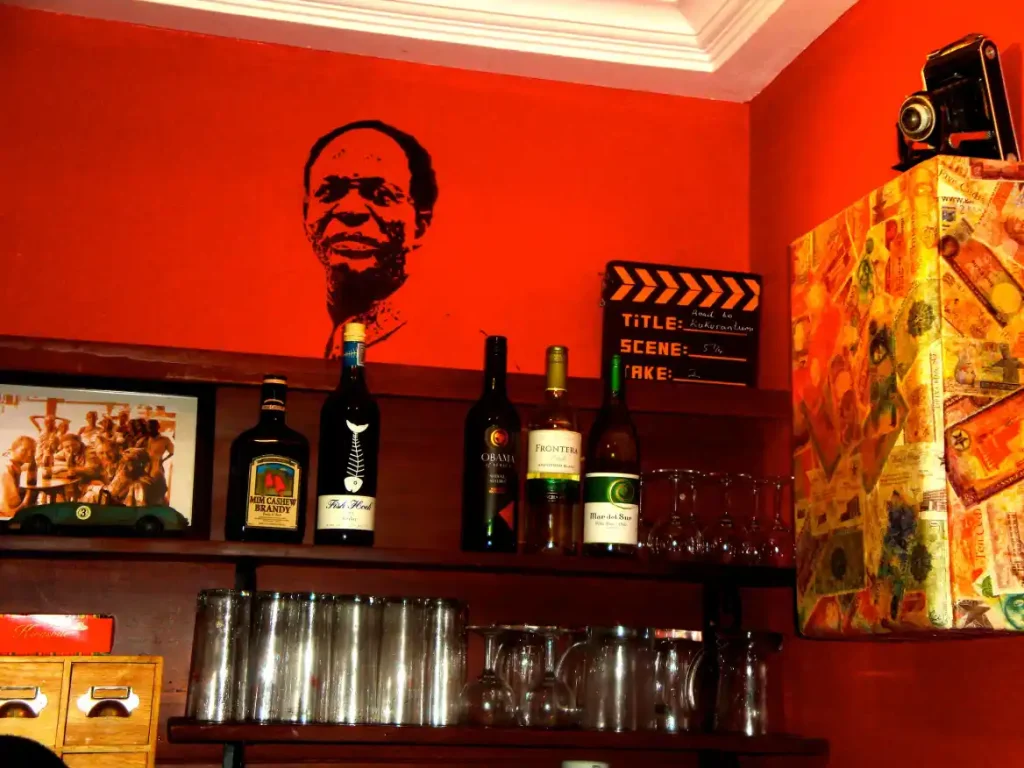
Consider what happens when one customer walks into a bar and buys a cocktail. That apparently simple transaction supports much more than the drink itself. There is the bartender whose skill turns ingredients into something worth paying for. There are the people who supplied the ingredients. There is electricity, rent, security, cleaning, music, equipment and transport.
There may be a taxi driver getting the customer home afterwards. Somewhere further down the chain is somebody producing, growing, importing, packaging, cooking, cleaning, designing, performing or maintaining something that makes the evening possible. One customer. One evening. One establishment. And money begins to move.
Now multiply that by hotels, guesthouses, restaurants, bars, cafés, attractions, events, tour operators and the countless informal businesses that surround them. Then multiply it again across a country.
This is why hospitality matters economically. It is one of the mechanisms through which tourism becomes an economic activity. Tourism gets people moving. Hospitality gives them reasons to stay, spend, participate and return.
The numbers tell part of the story. Ghana’s Travel & Tourism economy contributes significantly to national output and employment, but the real economic story is often hidden behind the headline numbers. A visitor’s expenditure does not simply disappear into a hotel or restaurant’s till. It circulates through an ecosystem of suppliers, workers, transporters, producers, entertainers and small businesses.
And the same principle applies to domestic tourism. When a Ghanaian family decides to spend a weekend in the Volta Region instead of staying home, their money has not magically appeared in the national economy. It has moved. But that movement matters. They may pay for accommodation, eat local food, hire a guide, buy something made locally, use transport, visit an attraction or listen to live music. Their spending has travelled from one part of Ghana to another.
Movement becomes money, and this is where hospitality becomes particularly interesting. It sits at the meeting point between place and expenditure. A landscape on its own does not necessarily generate much economic value.
Neither does a recipe sitting in somebody’s memory. A festival, a story, a traditional craft, a river, a forest or a historic building becomes economically productive when people are given meaningful reasons to encounter it.
Hospitality is the business of creating those reasons. Ghana possesses an extraordinary inventory of things that people want to experience: food, music, storytelling, festivals, landscapes, craft, fashion, architecture, community knowledge and, perhaps most importantly, the human warmth with which these things can be shared.
The opportunity is to stop thinking of these things merely as cultural assets and begin understanding them as part of a living economy.
Take indigenous food. A local ingredient becomes something more economically powerful when a farmer can supply it, a chef can interpret it, a restaurant can serve it, a storyteller can explain it and a visitor can experience it. The value does not lie only in the food on the plate. It lies in the chain of knowledge, production, preparation and experience surrounding it.
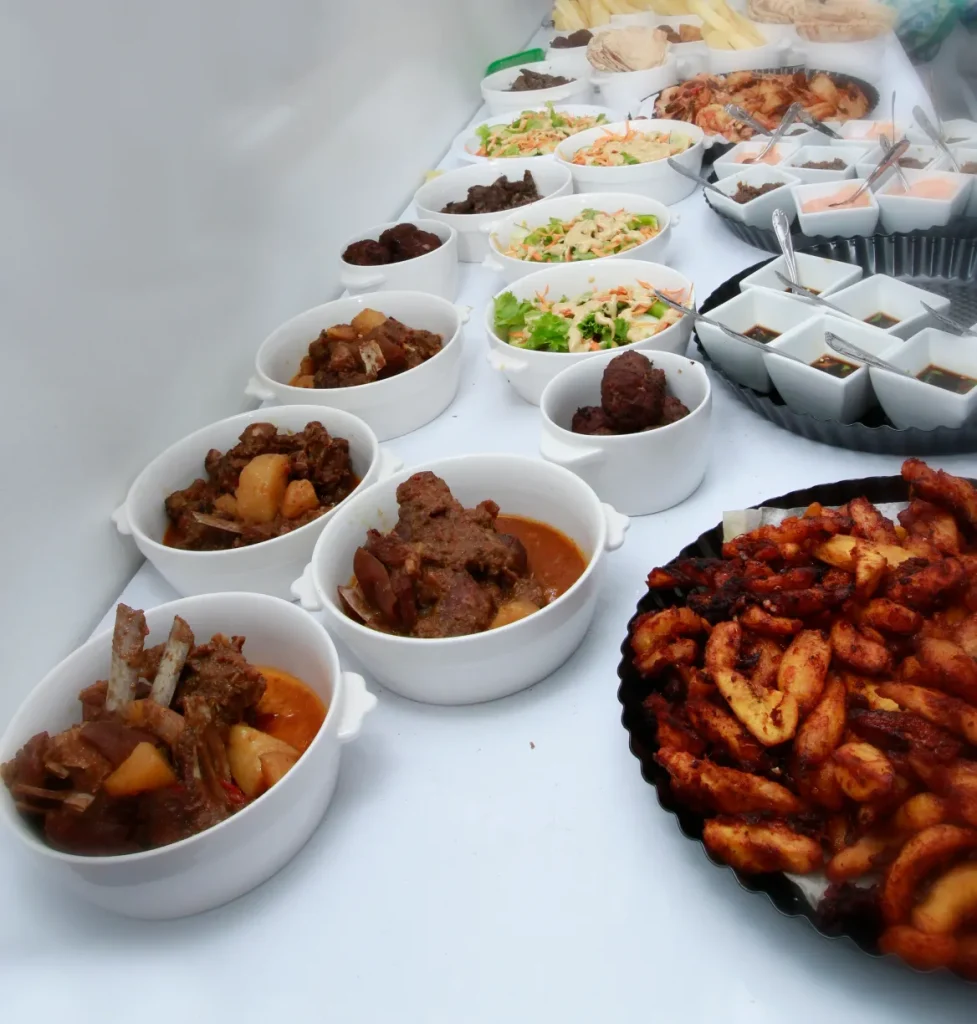
This is why we need to safeguard our food, not simply to preserve indigenous food as something belonging to the past. It is to place food heritage back into contemporary life; and, in doing so, create new demand for ingredients, knowledge, producers, cooks, storytellers and places. That is hospitality as economic development at human scale.
And perhaps this is why the conversation about tourism in Ghana needs to become broader than visitor numbers. Numbers matter, of course. But what happens after people arrive matters too. Where do they stay? What do they eat? Who guides them? Who tells the story? What do they buy? What do they learn? What makes them linger? What makes them come back?
A destination becomes economically interesting when people have reasons to spend time there. That is why the simple invitation to “Do Ghana” can carry more weight than it first appears. Go. Stay. Eat. Experience. Connect. Spend. Return. Each action creates another link in the economic chain.
The Republic understands this intuitively. That night on the rooftop, it wasn’t simply selling drinks. It was selling an experience. And experiences are wonderfully productive things. They employ people. They create demand. They move products. They give people a reason to leave home; and, when they are good enough, a reason to come back.
The Republic happened to make that lesson particularly easy to understand. A bar, a few cocktails, some music, a rooftop and a good crowd. Nothing grand. Except that behind the good time was an economic ecosystem.
Perhaps that is the point. Hospitality makes the intangible – atmosphere, culture, welcome, pleasure – economically valuable.
So the industry needs to stop treating hospitality as the soft, decorative edge of tourism. It is infrastructure. It is an economic engine. And we should build it with the seriousness we give to any other productive sector.
That means hospitality businesses must become better at sourcing locally, developing people, telling Ghanaian stories and turning culture into compelling experiences without reducing it to cliché. It means investors should look beyond rooms and buildings to the experiences that make destinations commercially alive. It means policy-makers should measure not only arrivals, but where tourism spending goes, who benefits from it and how much value remains in local communities.
And it means those of us in the industry have to become more ambitious about what we are selling. We are not merely selling beds, plates, drinks or tickets. We are selling reasons to stay. Reasons to explore. Reasons to spend another day in Ghana.
The opportunity is enormous. But opportunity does not become an industry simply because we have the assets. We have to design the experiences, build the businesses, develop the talent and create the connections that allow the money to circulate.
Ghana has an extraordinary amount of hospitality in it. Now we need to turn that abundance into an economy. See you tonight at The Republic. Either at the original Osu hub or the new one at East Legon, which is as thrilling as the original. And the Kokroko there too is on point.
Fin
Search
Archives